Amazon
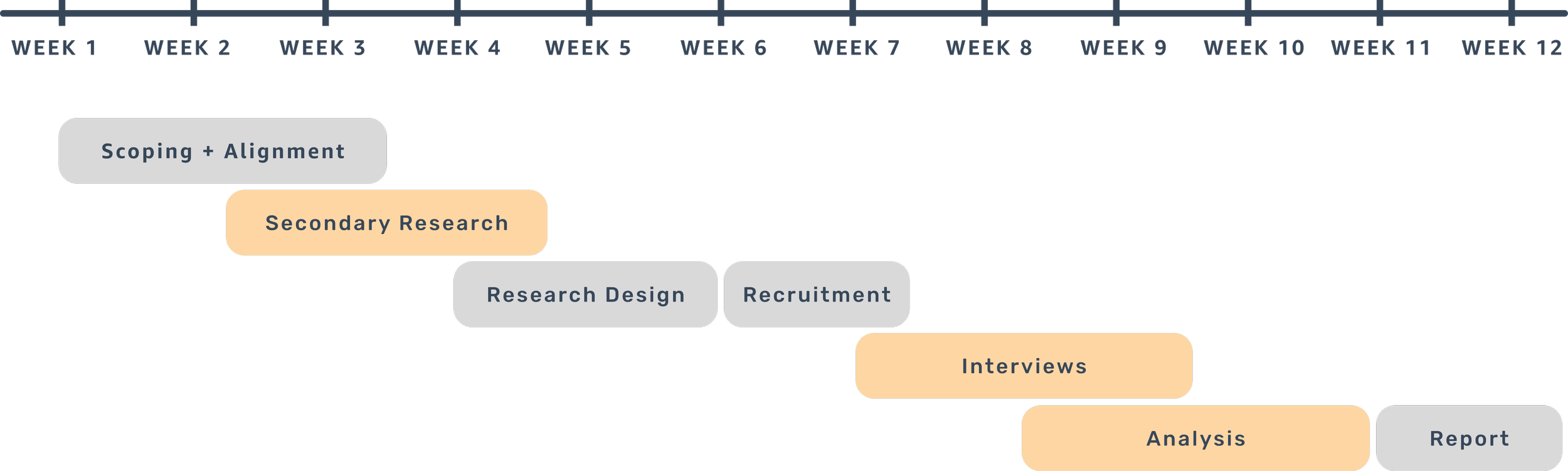
Duration: 12 Weeks
UX Research Internship
Team: 3 Product Managers, 2 Designers, 1 UX Writer, and international (EU) partners
Note: This case study does not include any confidential Amazon assets due to NDA requirements. No actual research plans, direct excerpts from research reports, customer data, or more specifics can be shared at this time. All information was made intentionally vague. Visuals here are only released copies.
Context
Amazon Business is Amazon’s B2B marketplace and procurement platform for organizations of all sizes. During my internship, I worked with the marketing research team to explore how email outreach can help acquire prospective customers.
Research Goals
My research goals for this qualitative study included:
Examine and evaluate current acquisition emails,
Propose improvements to the existing email copy,
Develop segment-specific strategies to acquire customers more effectively.
Defining the study
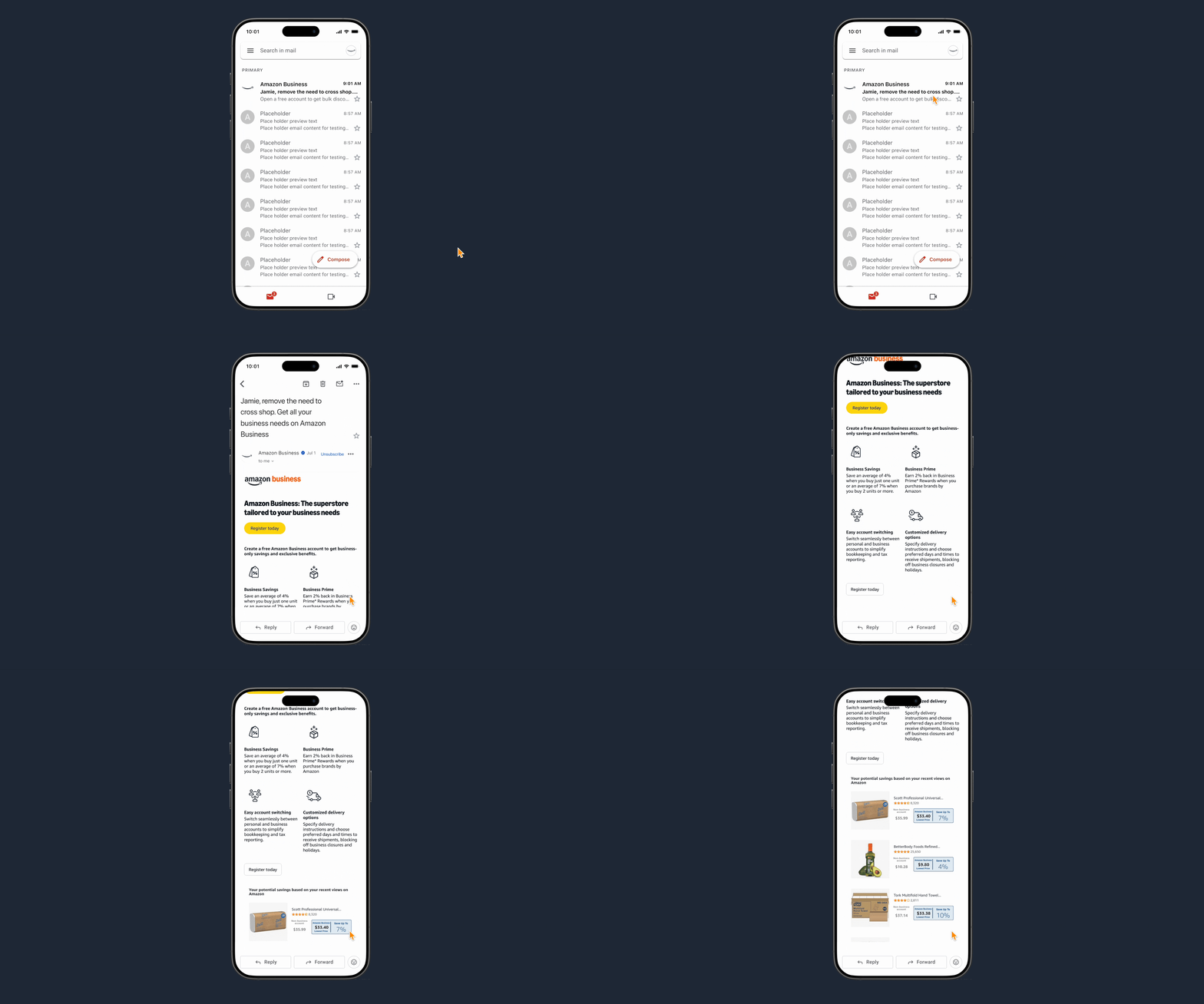
First, I defined what would be the appropriate scope for this study. Because acquisition emails reach a wide audience of business owners, I scoped the work by reviewing campaigns based on their reach, impact, and past performance. After discussions with stakeholders, I narrowed the evaluation to one representative campaign and focused the study in two areas: content messaging and visual design.
Based on this scope, I determined that we needed to balance breadth with feasibility. Constraints included:
Timeline: 2-week data collection window.
Region: Participants needed to include both US and EU customers.
Then, I evaluated how to run the study efficiently without sacrificing depth. This included:
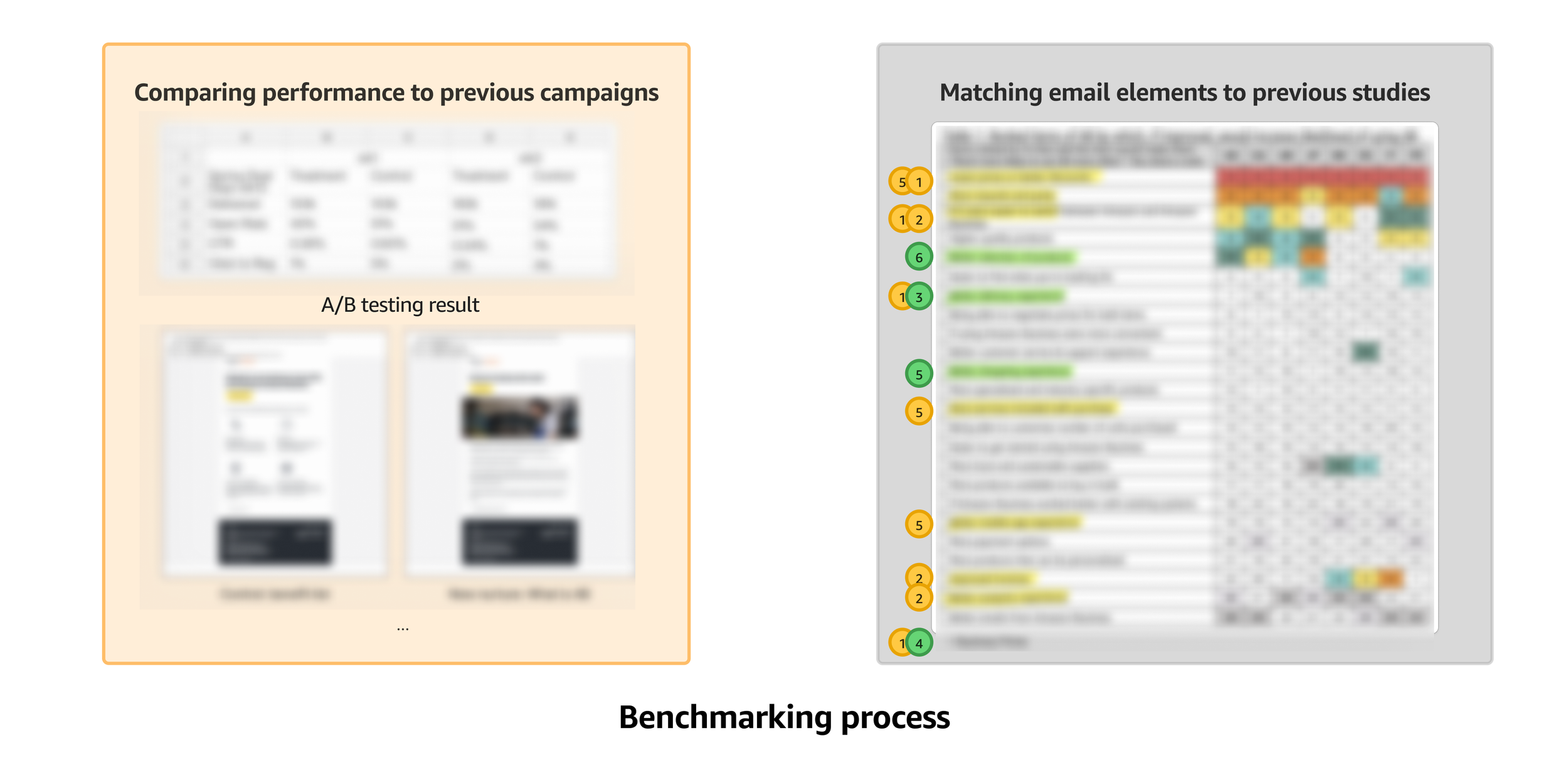
Benchmarking: Compared the testing set with high-performing internal and industry campaigns to surface strengths and gaps.
Targeted questioning: Designed interview prompts fill up the current gap, saving time while still generating rich insights.
Finally, I validated the setup through a pilot session with both internal members and an external participant. Afterward, our team sat down to debrief the session together. We discussed what worked well, what felt unclear, and how to make the session flow more naturally. This collaborative review allowed me to refine the study guide and adjust the pacing before launching the full round of testing.
Data Collection
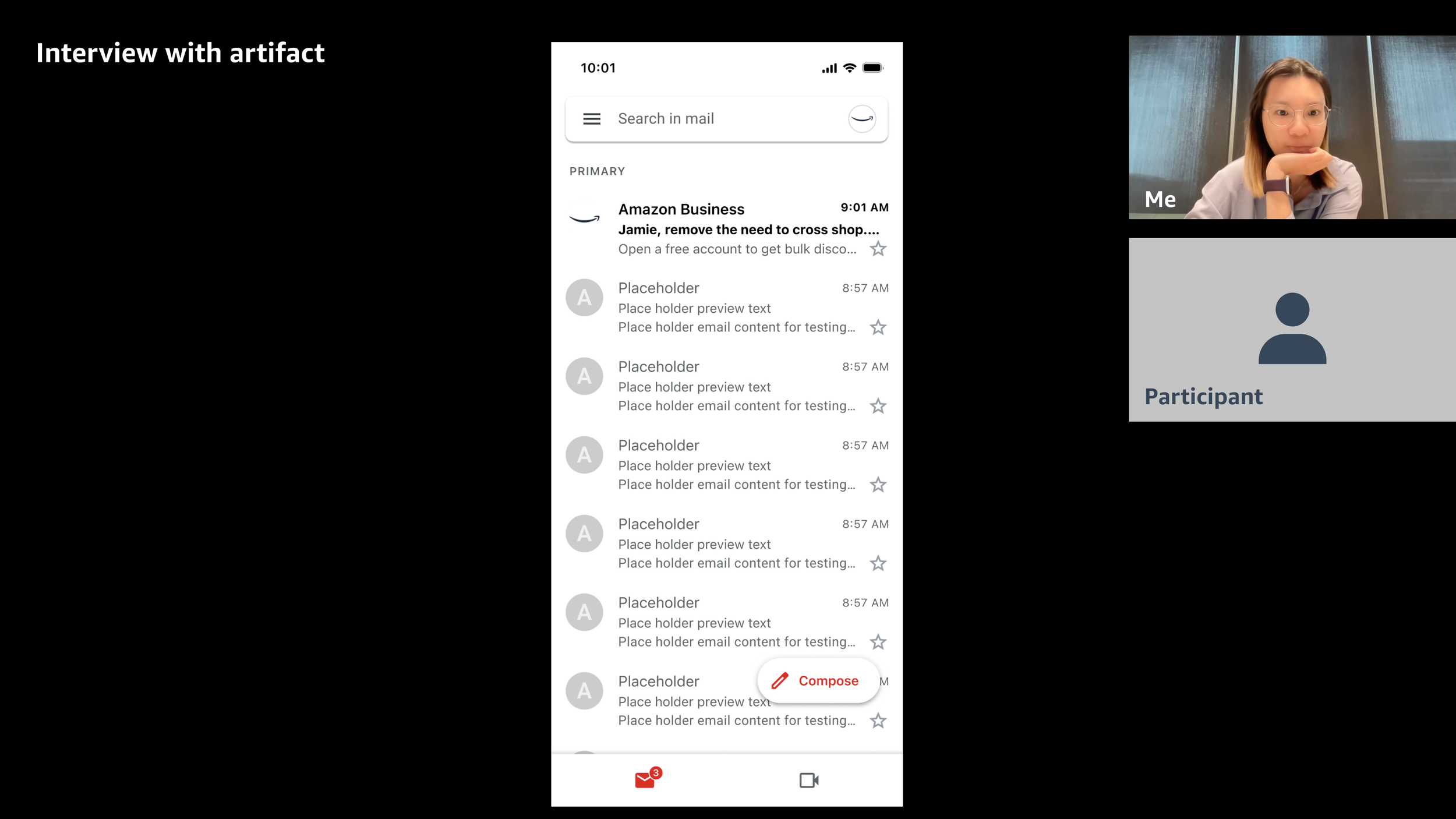
After defining the study, I recruited 12 target participants from Usertesting.com and conducted 60-minute, online, moderated interviews. The interviews took the form of concept tests, as I showned different email pieces to participants while asking questions.
Participants: 12 business owners, selected through a dedicated screener based on there size
Study design: between-subjects design, to ensure a number of emails are covered and each one gets enough qualitative feedback.
Session flow: same set of questions on messaging and visual elements were asked for 3 different email pieces. Questions also flow from specific ones about individual emails to overall experience.
Analysis
One special approach I tried for this project was to actively involve AI in my workflow for analyzing qualitative data. As I worked through the analysis, I carefully considered which processes could be streamlined by AI and which required hands-on synthesis.
I experimented with two AI-assisted tools.
LLM agent to help me build a lightweight quote-labeling app tailored to this project. I created project-specific labels and defined how I wanted to interact with the app. I added features that allowed me to auto-cluster quote groups, leave comments directly on clusters, and export quotes and notes into text files for easier integration with my broader analysis workflow.
Partyrock, an Amazon platform for prototyping AI apps, to build a ”value proposition machine”. This app helped me quickly validate findings by connecting emerging themes with relevant participant quotes, making it easier to test the strength of insights against raw data.
The real challenge was finding the right balance. I used AI to accelerate repetitive steps without compromising quality, remaining cautious of risks like hallucinations or overgeneralization. By treating AI as a complement rather than a replacement, I was able to streamline coding tasks and validate findings while keeping the final insights reliable and grounded in the data.
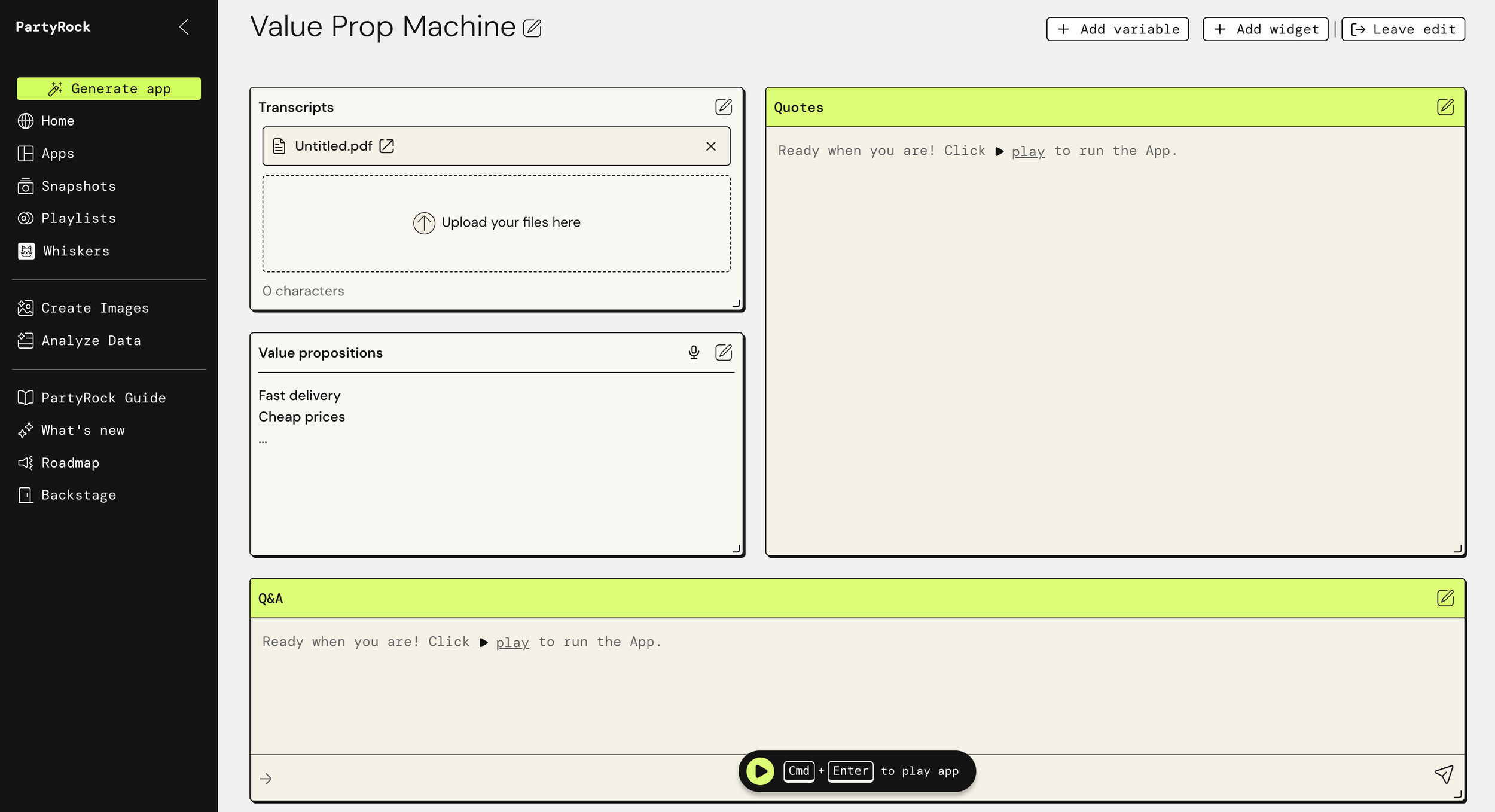
An example of partyrock app: value proposition quote AI
Outcome
Based on the analysis, I produced a report that highlighted the strengths and weaknesses of existing email elements and outlined opportunities for improvement. The report translated customer feedback into actionable design strategies, offering recommendations on how to refine campaign structure, optimize messaging, and strengthen visual elements. The findings directly informed the team’s next acquisition campaign, shaping content, structure, and design strategy with user-driven insights.
Learnings
During this internship, I grew as a resourceful and responsible UX researcher, learning how to navigate a fast-moving corporate environment while delivering rigorous insights.
Cross-team collaboration: I had many stakeholders for this project, even including product partners from other countries/continents. To communicate effectively and quickly align with my team, I learned to prepare before meetings by clarifying what I wanted to say, what information I needed, and anticipating what stakeholders expected from me. I also took effective notes to track agreements and next steps.
Adaptability in changing contexts: Project landscapes and team planning often shifted. I made a habit of keeping my work materials organized and up to date, so I could quickly adjust and stay prepared when priorities or directions changed.
Navigating ambiguity: When I encountered challenges or unclear areas during project execution, I learned not to hesitate to ask more experienced colleagues. I also consulted our research database and leveraged internal company tools to find a way forward.